
 AI Workforce


Spa Retail Management: The Complete Guide to Growing Product Revenue
Spa retail accounts for 15–25% of revenue for top-performing spas. Most spas operate at 5–10%. That gap represents significant revenue left on the table — not through lack of demand, but through missed recommendation moments and under-trained staff. Here's how to close it.
Trusted by the fastest-growing salons in the world




































The Business Case for Spa Retail
Retail is the most underutilised revenue stream in most spa businesses — and one of the highest-margin ones. Top-performing spas earn 15–25% of total revenue from product sales. Most spas operate at 5–10%.
The margin case is compelling. Products don't require treatment room time or therapist labour to sell. Well-chosen skincare lines and wellness products carry retail margins of 40–60% — meaningfully higher than most treatment margins once labour and room costs are factored in.
The client experience case. Clients who take home a product used during their treatment extend the spa experience beyond the visit. Every time they use the product at home, they're reminded of the experience — and of your spa. Retail creates a physical connection between visits that increases rebooking rates and brand affinity.
Product range selection. The strongest spa retail ranges are tightly curated — three to five core product lines rather than a broad catalog that overwhelms both staff and clients. Choose products that your therapists use in treatments and genuinely believe in. Products should complement your treatment menu.
Backbar vs. retail stock separation. The products used in your treatment rooms (backbar) and the products sold at the retail desk are the same items, tracked differently. Backbar is a cost of service; retail is revenue. If your stock management doesn't separate them, you have no accurate picture of service margin or retail performance.
How to Grow Spa Retail Revenue
Train Therapists to Recommend, Not Sell
The difference between recommending and selling is grounded in what the therapist did during the treatment. A recommendation is specific: "I used our [Product Name] on your shoulders today — your muscles were quite tight. This would work really well at home between visits." The recommendation is specific, the product has been used on the client's body, and the benefit is relevant to what the therapist observed.
Time Recommendations for Maximum Conversion
The best moment for a retail recommendation is during the post-treatment consultation, while the client is still in the treatment room and the experience is immediate. The second-best moment is at checkout — which is where software-prompted recommendations become valuable. Recommendations made in passing as a client is putting their coat on are the least effective.
Incentivise Without Creating Pressure
Retail commission for therapists — a small percentage of each retail sale they generate — aligns staff and business interests without creating a high-pressure sales culture. Track retail performance per therapist in your reporting dashboard and use peer-to-peer visibility (with sensitivity) to build healthy competition.
Handle Objections Effectively
Train therapists on the two most common objections: "I can get it cheaper online" (response: the version we use here is professional grade, and there's a real risk of counterfeits online) and "I'll think about it" (response: offer a small product sample if available, or note the recommendation in the client's profile to enable follow-up in a personalised email).
Spa Retail Software — How Zenoti Manages Your Product Program
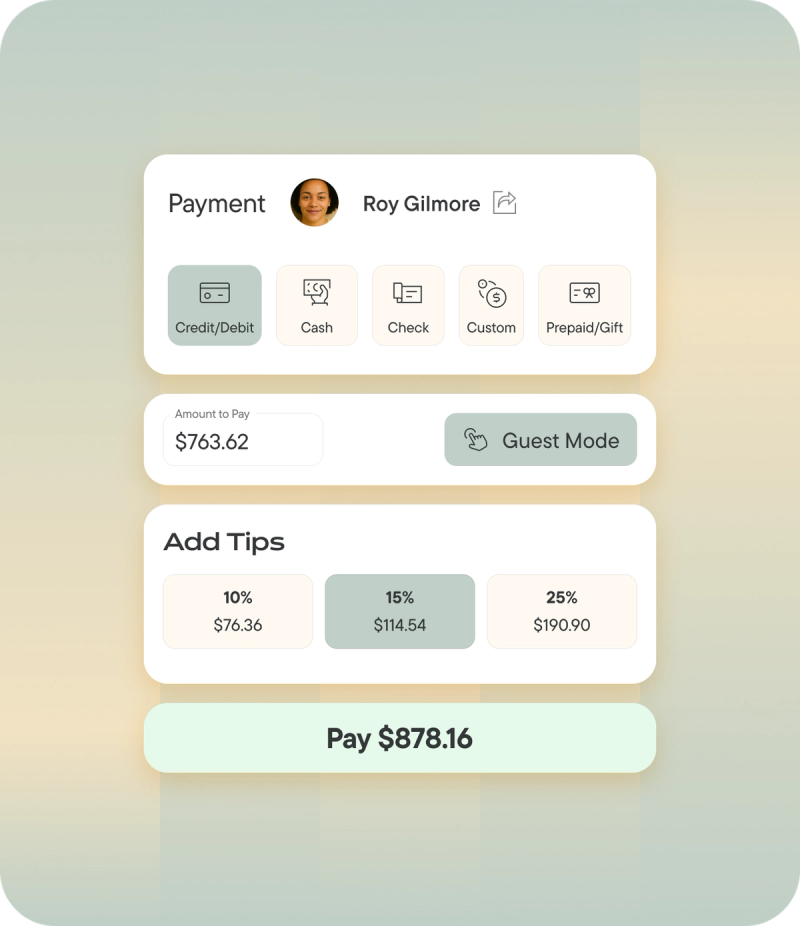
Zenoti's spa software manages the full retail program automatically. Inventory tracking of backbar and retail stock separately — both are tracked as distinct inventory categories, even when it's the same product. Backbar deductions happen automatically when appointments are marked complete. Retail stock deducts at the moment of checkout sale.
Product recommendation prompts at checkout. Zenoti can be configured to display product recommendation prompts at the checkout screen based on the treatment just performed. When a therapist completes a hot stone massage and marks the treatment done, the
spa POS can surface the relevant muscle care or relaxation products as suggestions — reinforcing the recommendation the therapist makes in the treatment room.
Retail revenue per therapist. Every retail sale is attributed to the therapist who performed the associated treatment. Individual retail performance reports show each therapist's retail revenue by period — useful for identifying top performers, coaching those who are below average, and calculating retail commission accurately.
For a full picture of how Zenoti handles spa product operations beyond retail, see the spa inventory management guide.

Spa Retail Reporting — The Metrics That Matter
Retail performance is only manageable if you're measuring the right things. Five metrics tell the full retail story for a spa:
Retail revenue as a percentage of total revenue. The headline metric. Top-performing spas target 15–25%. Below 10% signals opportunity; above 25% typically indicates a strong therapist recommendation culture and well-chosen product range.
Retail revenue per visit. How much retail revenue is generated per client visit on average. This normalises for booking volume — a busier month will always show higher total retail, but retail per visit shows whether performance is improving independent of volume.
Top-selling products by revenue. Which products generate the most sales. Use this to inform buying decisions, display prominence, and where to focus staff product knowledge training.
Top retail performers by therapist. Which therapists generate the most retail revenue per treatment. The gap between top and bottom performers reveals a training and coaching opportunity, not just a personality difference.
Backbar cost per service. What each service costs in product consumption. Tracking it alongside retail revenue shows whether product costs are being managed effectively against the revenue they generate.
Frequently Asked Questions
Top-performing spas typically earn 15–25% of total revenue from retail product sales. Most spas start at 5–10% and grow through better therapist training, smarter product selection, and recommendation prompts at checkout. Setting a retail revenue target as a percentage of service revenue is more meaningful than an absolute target. It normalises for changes in booking volume and gives you a consistent benchmark regardless of how busy any given month is.
Sell products that complement your treatment menu and that therapists genuinely use and believe in. Clients are more likely to purchase a product that was used on them during a treatment — the recommendation carries context and credibility that cold shelf merchandising lacks. Focus on three to five core product lines rather than a large catalog that overwhelms both staff and clients. Skincare, massage and body oils, and wellness supplements are the most common starting points for day spas; adjust based on your specific service menu and client profile.